10 Occult Books That Can Be Classified Under LCC G

If you hear the word “occult,” you might imagine dark rooms, candles, and someone whispering Latin badly.

But in library science, the occult often sits quietly under LCC Class G — the section for Geography, Anthropology, and Folklore. Why? Because many occult works deal with myth, symbolism, ritual, cultural belief systems, and human attempts to understand the unseen.

In other words, they are less about flying broomsticks and more about how people make meaning.

Here are ten notable occult books that can reasonably fall under LCC G, especially within folklore (GR), customs (GT), or cultural anthropology.


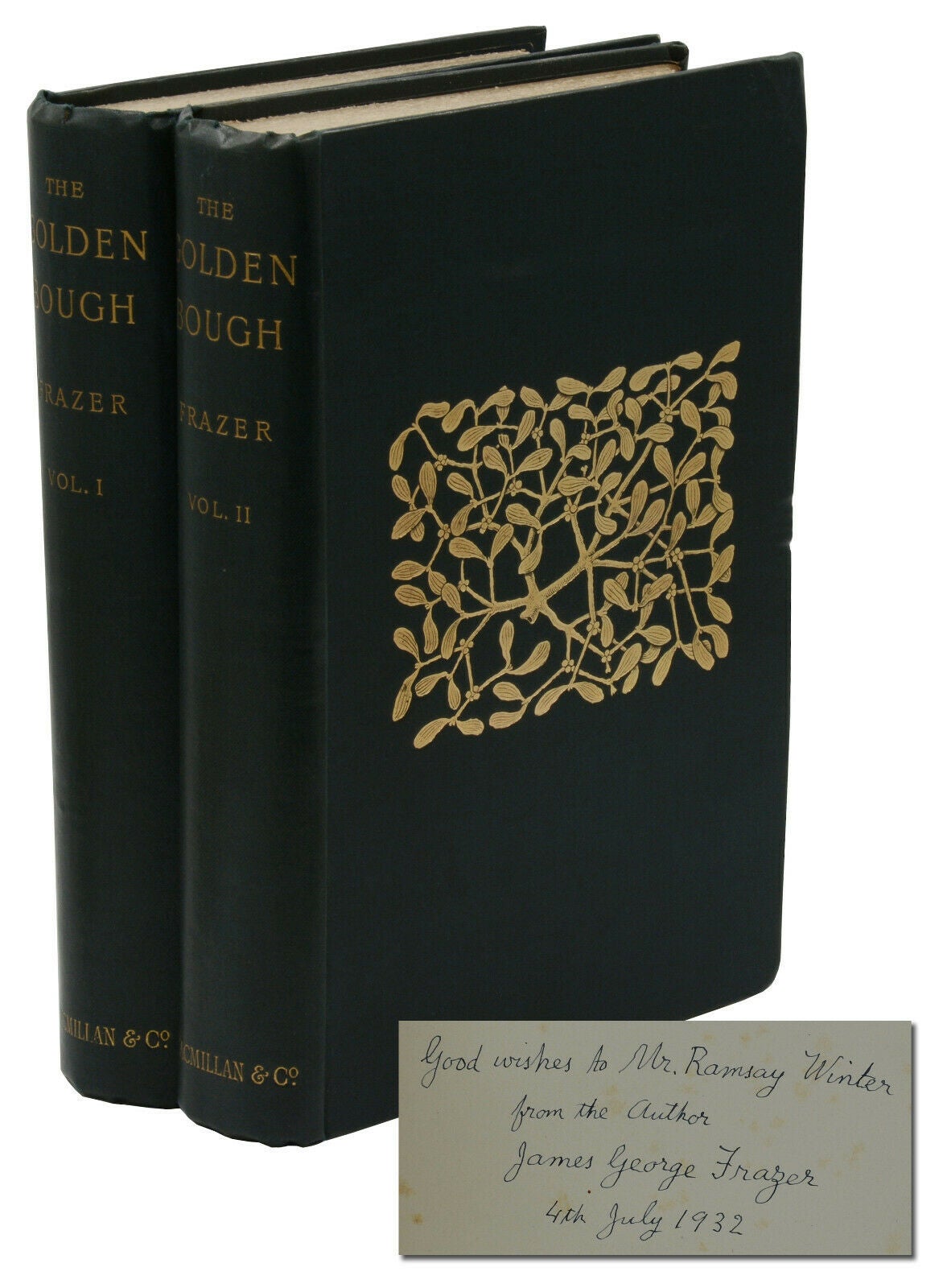
1. The Golden Bough – James George Frazer

Image

Frazer’s massive comparative study of myth and religion explores magic, ritual sacrifice, fertility rites, and sacred kings.

It is not a spell book. It is anthropology with a dramatic flair.

Why LCC G?
Because it analyzes myth and ritual across cultures. This comfortably sits in folklore and anthropology (GR).


2. The Hero with a Thousand Faces – Joseph Campbell

Image

Campbell discusses the “monomyth” — the hero’s journey pattern found across global mythologies.

Occult themes appear through symbolism, initiation, transformation, and archetypes.

Why LCC G?
It is fundamentally comparative mythology — a folklore study.


3. The Varieties of Religious Experience – William James

Image

James examines mystical experiences, conversion, and altered states of consciousness.

He does not argue that spirits are real. He studies the experience of them.

Why LCC G?
It fits under religious customs and cultural expression, overlapping with anthropology of belief.


4. Witchcraft Today – Gerald Gardner

Image

Gardner’s book helped popularize modern Wicca. It discusses ritual practices, covens, and pagan revival.

Why LCC G?
Because it documents contemporary folk religion and ritual practice — clearly within folklore studies.


5. The Witch-Cult in Western Europe – Margaret Murray

Image

Murray argued that European witchcraft preserved a pre-Christian pagan religion.

Scholars debate her conclusions. Energetically.

Why LCC G?
It examines historical folk belief and ritual traditions.


6. The Masks of God – Joseph Campbell

Image

A sweeping study of world mythology — from primitive myth to Western mythology. Occult elements appear through symbols, cosmology, and sacred narratives.

Why LCC G?
Comparative mythology squarely belongs to folklore classification.


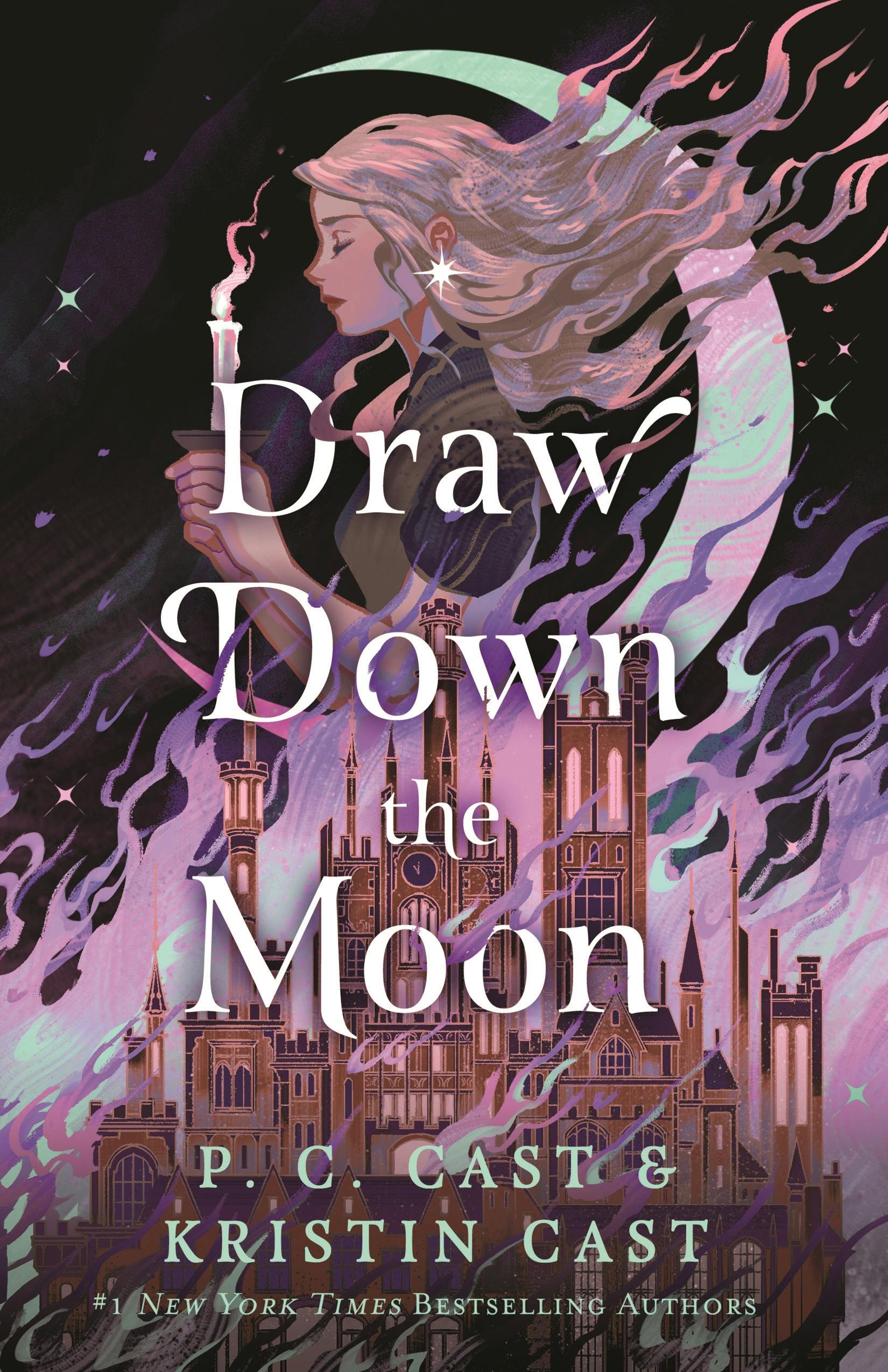
7. Drawing Down the Moon – Margot Adler

Image

Adler documents contemporary paganism, Wicca, and magical traditions in America. It is journalistic, not instructional.

Why LCC G?
It studies living folk religion movements.


8. Man and His Symbols – Carl Jung

Image

Jung explores archetypes, the collective unconscious, and symbolic imagery. Many occult systems lean heavily on Jungian symbolism.

Why LCC G?
Symbolism and myth interpretation intersect with folklore and cultural studies.


9. The Secret Teachings of All Ages – Manly P. Hall

A grand tour of esoteric traditions, symbols, and secret societies. It blends scholarship and enthusiasm. Sometimes too much enthusiasm.

Why LCC G?
Much of it catalogs mythic symbolism and cultural traditions.


10. The Power of Myth – Joseph Campbell

Image

Based on interviews with Campbell, this book explains myth’s role in modern life.

Occult? Not exactly. Symbolic? Absolutely.

Why LCC G?
It analyzes mythology as cultural narrative.

Not every occult book belongs under LCC G. Practical magic manuals often fall under BF (Psychology, Parapsychology, Occultism).

But when a book examines:

  • Myth

  • Ritual

  • Cultural belief

  • Folk religion

  • Symbol systems

…it often finds itself resting comfortably among folklore and anthropology.

Which is fitting. Because what we call “occult” is often just humanity trying to explain the sky before we had weather apps. And libraries, being calm and patient institutions, understand that curiosity is not a crime.

Popular posts from this blog

3 Easy Ways to Instantly Improve Your Handwriting

Handwriting doesn’t have to be a lost art, even in today’s digital world. Whether you’re taking notes, writing a letter, or just doodling in your journal, legible handwriting is a skill worth mastering. Let’s start with three quick tips to make your writing more readable: 1. Pay Attention to Spacing Spacing is one of the most overlooked aspects of legibility. It’s tempting to let your letters and words run together, but that’s the quickest way to turn your notes into an indecipherable mess. Make a conscious effort to leave some space between each letter and word. This breathing room allows the reader to clearly distinguish one word from the next. Slow down, and you’ll find your spacing naturally improves. 2. Hold the Pen Correctly You might not think much about how you hold your pen, but it plays a big role in your handwriting. Too tight a grip, and your hand tires quickly, causing shaky lines. Too loose, and you’ll struggle to control the pen. Aim for a relaxed but steady grip that le...

A Librarian’s Method for Organizing a Wardrobe: Current, Non-current, or Archive?

I did not set out to fix my wardrobe. I was just tired of negotiating with it every morning. My closet was full, but I wore the same few things. The rest stared back at me like a group project I never agreed to join. I had already tried the usual advice: declutter, be ruthless, imagine an ideal self who attends brunch more often than I do.  None of it stuck. Then I realized the problem was not the clothes. It was the lack of a system.  I am a librarian. When something does not work, I do not add more space. I reclassify. Again, I remind myself that I am a librarian. When something is chaotic, my first thought is NOT “buy more storage.” It is “this needs a system.” My closet did not need more hangers. It needed cataloging. Librarians do not panic about having too many books. They decide where each book belongs:  current , non-current , or archive .  So I tried the same method on my wardrobe. The Library Method, Explained Without the Jargon In libraries: Current ...

How Important is Proper Document Control in ISO Accreditation?

If your organization is working toward ISO accreditation—or trying to maintain it—you’ve probably heard the phrase document control more times than you care to count. But before your eyes glaze over, let’s break it down. ISO standards (like ISO 9001 for quality management, ISO 14001 for environmental management, or ISO 27001 for information security) are built on the idea of consistency, traceability, and accountability. None of that works without proper documentation. And documentation doesn’t stay proper on its own. It needs structure. That’s where document control comes in. So, how important is it? In short: it's everything. What Is Document Control in the ISO Context? Document control refers to how an organization manages its critical documents—such as procedures, manuals, forms, and records—so that they are: Correct (the latest version) Accessible (to the right people) Secure (from unauthorized changes) Traceable (who approved, changed, or accessed them)...

Insightful Lessons from The Alchemist by Paulo Coelho

"The Alchemist" by Paulo Coelho is a widely acclaimed novel that offers many insightful lessons through its allegorical tale. Here are ten key takeaways from the book:   1. Follow Your Dreams: The protagonist, Santiago, teaches us the importance of following our dreams. His journey to find a treasure he dreamt about symbolizes the pursuit of personal desires and goals in life.   2. Listening to Your Heart: The novel emphasizes the importance of listening to one's heart and understanding its desires. It suggests that the heart knows your true desires and can guide you towards your destiny.   3. The Personal Legend: Coelho introduces the concept of the "Personal Legend" – an individual's destiny or purpose in life. The book encourages readers to identify and pursue their own Personal Legends.   4. The Fear of Failure: Santiago faces numerous fears, including the fear of failure. The book shows how overcoming these fears is essential for personal gro...

How to Start a Local Authors Collection in Your Library: 3 Steps

Looking to celebrate the voices in your own backyard? Starting a Local Authors Collection is one of the most meaningful ways to connect your library with its community. This will also promote your library to locals who may not have heard that your library is open and accessible to everyone! It will also send the message that you value your local authors and would like to work more with them in the future! Step 1: Audit! Begin with a simple audit: Do you already have hometown authors on your shelves? Create a list. Then, reach out to local writing groups, independent publishers, or universities—places where emerging writers often surface. Step 2: Curate! Don’t overlook self-published authors. Many have strong followings and are eager to share their work. Establish clear submission guidelines to ensure quality and consistency. Step 3: Promote! Highlight the new collection with shelf signage or a dedicated reading nook. Monthly features or “Local Author Spotlights” on social media also ...

Being a Document Control Officer to Manage Archives: Are You the Office Librarian?

In many workplaces, there's someone who seems to know where everything is. They can pull up the latest policy revision, retrieve an outdated client file, or point you to that mysterious "blue folder" from three years ago that somehow still matters. This person may not wear glasses or whisper "shhh"—but in essence, they are the office librarian . In most cases, this role falls to the Document Control Officer . But what does being a Document Control Officer really mean? And how close is it to being the keeper of a corporate library? Let’s unpack it. What Is a Document Control Officer? A Document Control Officer (DCO) is responsible for managing how documents are created, reviewed, stored, accessed, and archived within an organization. In many cases, the DCO is the quiet force behind regulatory compliance, internal consistency, and institutional memory. In short, if your company ever says, “We have a paper trail,” the DCO is why. Their duties typically incl...

Weekly Facebook Reel Content Plan (#003): Being a Good Samaritan

  With a theme like "Being a Good Samaritan," you can create a powerful way to engage your audience while promoting kindness and community involvement. Here's a table to guide you through a week of such content: Day of the Week Concept Execution Monday Helping the Homeless Show yourself preparing care packages and distributing them to homeless individuals. Tuesday Animal Welfare Visit an animal shelter and spend the day volunteering. Highlight ways others can help too. Wednesday Environmental Cleanup Organize or participate in a local area cleanup. Share tips on how to keep communities clean. Thursday Food Donation Collect food items and donate them to a local food bank. Encourage viewers to do the same. Friday Elderly Care Spend time with elderly people in a care home or virtually. Share their stories and needs. Saturday Acts of Kindness Perform random acts of kindness like paying for someone's coffee. Challenge your audience to do the same. Sunday Community Awar...

The Importance of Monitoring Access to Organizational Archives

In any organization, the preservation and management of archives is a task that requires meticulous attention and responsibility, particularly when it comes to monitoring who accesses these valuable records. As a record manager, one of the crucial aspects of the role is ensuring that the access to archives is both controlled and recorded. This blog post explores why it's essential for record managers to keep track of who accesses organizational archives and the benefits this control brings. By the way, I designed an Archives Log Book that can help record keepers monitor who accesses their archives, especially the ones stored on-site in boxes or file cabinets:  https://www.amazon.com/Archives-Log-Book-Organizational-Unauthorized/dp/B0B35H8P6L  Protecting Sensitive Information Organizational archives often contain sensitive information, which could include personal data, confidential business strategies, legal documents, and financial records. Unauthorized access to such informa...

A Library Can Help Remove Bias and Prejudice in the Community

  Human library as a concept for your makerspace? Here are some information about this kind of library and what can be achieved by organizing something like it. We are not Alone In This Advocacy The Human Library Project is actually a world-wide advocacy made up of various organizations. So, check out what has been done and what the future holds for this project at www.humanlibrary.org . What is a Human Library It is a safe space for interesting characters and those interested in them to learn and interact. Simply put, readers read a person rather than a book. Thus, a reader initiates the question and answer session under the watchful eye of a marshall, who monitors the interaction to ensure the human book’s safety and security. What is the Goal of a Human Library? It transforms a book library into a safe place for healthy discussion about controversial topics with the ultimate goal of unjudging someone. Readers can read more than one book per session, depending on the availabili...

Influencer Strategies for Thriving in the Attention Economy

We live in a time where there's so much information available, thanks to the internet. But here's the catch: our brains can only handle so much at once. This is where the idea of "attention" comes in. Imagine attention as a kind of valuable coin that everyone wants. Influencers are people who are really good at getting attention. They share things online, and if they get lots of likes and comments, they become more influential. But it's not always easy to get attention while staying true to yourself. Parents also play a big role in attention. They help their kids decide what's worth paying attention to. Social media is like a non-stop attention machine, with likes and shares making people feel important. But there's a problem: too many choices. With so much stuff to pay attention to, it can be overwhelming.  Here are some simple tips for doing well in this attention economy: 1. Be yourself : Influencers should be genuine, not fake. People like realness. ...